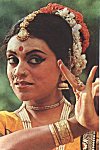


Kuchipudi Dance
First Online: August 15, 1997
Page Last Updated: September 03, 2026
Kuchipudi Dance: A Classical Art of Grace and Devotion
Among recognized classical dance forms of India, Kuchipudi holds a special place for its unique blend of grace, expressive storytelling, and rhythmic vigor. Originating in the village of Kuchipudi in present-day Andhra Pradesh, this art form evolved as a dramatic performance tradition closely tied to South Indian Dance and devotional practices.
Historically, Kuchipudi was performed exclusively by male Brahmin priests as part of religious offerings. These early performers, known as Bhagavatulus, presented full-length dance dramas (called Yakshaganas) that combined music, dance, and dialogue. Over time, the form adapted to solo performances and included female dancers, making it more accessible and diverse in presentation.
Kuchipudi is known for its dynamic footwork, intricate hand gestures (mudras), and subtle facial expressions (abhinaya). Dancers often enact stories from Hindu epics like the Ramayana, Mahabharata, and Bhagavata Purana, blending devotion with artistry. A hallmark of the style is the Tarangam, where the dancer performs rhythmic sequences while balancing on a brass plate -- a feat that showcases both control and stamina.
The music accompanying Kuchipudi is primarily based on Carnatic Music, and the lyrics are often in Telugu or Sanskrit. The costume is rich yet functional, with graceful pleats that fan out during spins, echoing the sculpture-like poses seen in ancient temples of South India. (see costumes of Lepakshi)
Kuchipudi shares philosophical and artistic roots with other classical dances such as Bharatanatyam, and comparisons often highlight its fluidity versus Bharatanatyam's geometry. For instance, Kamat's Potpourri features an insightful photo essay on Indian Classical Dance Traditions that captures these nuances through archival photographs and paintings.
With its roots in storytelling, Kuchipudi continues to evolve as a living tradition -- balancing ritual, narrative, and contemporary creativity. It remains not just a performance art, but a celebration of India's rich spiritual and cultural heritage.
See Also:
- Bharatanatyam Dance Form
- Lepakshi Paitings